Repairs Before Selling a House in Sarasota: What Should You Fix
The smartest pre-sale repairs aren’t necessarily the biggest ones. To decide what repairs to make before selling a house in Sarasota, address safety, structural, roof, plumbing, electrical, and heating or cooling problems first. Then focus on visible cosmetic wear, damaged flooring, and exterior details that shape a buyer’s first impression. A full renovation isn’t automatically the best move.
It’s understandable to want your home looking its best before it hits the market, but updates buyers may not value can add time and cost without addressing their main concerns. Prioritize essential repairs, refresh worn paint or flooring, assess major systems, and improve curb appeal. Weigh each project against your home’s condition, price point, and selling plans so you can prepare with purpose instead of tackling every imperfection.
Key Takeaways
- Prioritize safety, structural, roof, and major system concerns before spending on cosmetic updates.
- Assess flooring room by room: clean carpet that’s still in good condition, and focus repairs or refinishing where damage stands out.
- Address visible HVAC, plumbing, electrical, and water-heater issues to reduce buyer concerns during inspections.
- Improve curb appeal with tidy landscaping and repaired walkways, choosing targeted refreshes over unnecessary upgrades.
1. Cosmetic fixes versus major system or structural repairs
For Sarasota sellers, the most valuable first step is addressing safety, structural, roof, or water-intrusion concerns. Buyers may worry that an old roof could affect insurance or financing, and an appraiser may require replacement for a loan. An 18-year-old roof isn’t automatically a must-fix; condition and the home’s price matter.
Prioritize repairs by risk and visibility. Resolve hazards and active damage before cosmetic work, then address flaws buyers are likely to notice during a showing. Get a clear repair scope before committing to a major project, and weigh the home’s condition against likely buyer concerns.
For interior paint, target peeling, chipping, or flaking walls rather than repainting every room. Classic neutral shades can help buyers picture their own furnishings. According to the National Association of Realtors’ 2025 Remodeling Impact Report, 50% of Realtors recommend painting the entire home before listing, while 41% recommend painting at least one interior room. Use those figures as context, not a reason to paint sound walls.
Small fixes can sharpen a listing without a broad remodel. Examples include scuffed paint, small drywall cracks, dated light fixtures, damaged screens, worn landscaping, and pet-scratched doors.
To prioritize your budget, handle safety concerns and active damage first, then choose visible improvements with a limited scope. Repair costs depend on the work involved: small cosmetic fixes are different from larger projects such as foundation or roof work.
For an as-is sale, disclose known property flaws and describe completed repairs accurately. Keep repair records so buyers can understand what was addressed. Florida sellers should distinguish a past repair from an unresolved defect.
Florida doesn’t require a blanket renovation before every sale. Fix hazards and material damage first. Address moisture, stains, or flood-related damage because they may point to continuing water intrusion or hidden deterioration.
2. Repairing or replacing damaged flooring
Flooring affects how buyers perceive a home’s upkeep, so inspect each room before choosing an upgrade. Look for lifted boards, deep scratches, cracked tile, loose transitions, and carpet stains. Repair isolated damage when the fix blends with the surrounding floor; replace flooring when wear is widespread or patches would draw attention.
Existing hardwood may need refinishing rather than replacement. Compare both options with the floor’s condition and the home’s finish level before deciding. If the carpet is still in good condition, steam cleaning can refresh it without replacement.
Check the tile grout, too. Clean, intact grout can make a bathroom feel better maintained. Repair cracked or missing sections rather than trying to mask the problem with surface cleaning.
Small exterior details matter during a showing. Replace damaged window mesh or straighten a bent frame so the window looks cared for and functions as intended.
A garage door can also influence curb appeal. The 2024 Cost vs. Value Report estimates that a new garage door has an average cost recovery of around 194% at resale. Consider replacement when the existing door is visibly damaged or detracts from the home’s exterior, not simply as an automatic upgrade.
For roof damage, leaks, or an aging roof, disclose known issues and describe past repairs accurately. Roof condition can affect buyers’ insurance or financing, and an appraiser may require replacement as a loan condition. Sarasota sellers should also look for visible storm damage and check that shutters have no obvious damage and operate properly. Describe their condition clearly without implying a wind-mitigation outcome.
3. HVAC, plumbing, electrical, and water heater repairs
Buyers expect heating and air conditioning systems to work, so test both before listing. Weak airflow, unusual noises, or inconsistent cooling can raise questions during a showing. Roof, plumbing, and electrical problems may also appear in inspection reports, concern buyers, or complicate mortgage approval.
For HVAC, start with servicing and repairs before considering replacement. Replace the system when its condition or performance makes repair impractical. A working system helps buyers assess the home without assuming an immediate major expense.
Address active plumbing leaks before they stain cabinets, walls, or ceilings. Check under sinks, around toilets, and near visible supply lines. Water marks or persistent dampness deserve attention because surface repairs alone won’t stop a continuing leak.
Electrical hazards need prompt attention, including unsafe fixtures and signs of panel trouble. Focus first on correcting hazards and documenting completed work. Buyers may view visible electrical concerns as a larger issue than a straightforward repair.
Check the water heater’s age, visible condition, and operation. A unit near the end of its expected lifespan may prompt buyer questions, while leaks or unreliable hot water need attention before showings.
Prioritize active leaks, unsafe electrical conditions, and systems that don’t work. Then compare the repair scope with replacement costs and the home’s overall condition. Keep invoices and service records together so buyers can see what work was completed and when. A clear record also helps distinguish a repaired issue from one that remains unresolved.

4. Landscaping and exterior curb appeal
Start at the curb and walk the route buyers will take to your front door. Trim overgrown plants, clear leaves, remove dead branches, and tidy the entrance. In Sarasota’s warm climate, neat landscaping helps the home feel cared for before buyers step inside. Keep the path visible, and make sure shrubs don’t block windows or entryways.
Repair cracks in driveways and walkways as part of your exterior preparation. A clean, even approach reduces distractions during a showing and makes the entrance easier to navigate. Check gutters and downspouts, too.
Choose targeted lawn care over a full landscape redesign. Broader landscaping refreshes are estimated to return 100% to 200% of their cost. Treat these estimates as planning context, not a promise of profit; condition, scope, and buyer response influence the outcome.
Before listing, inspect the exterior paint, front door, porch, and visible fixtures in daylight. Replace dead bulbs, remove cobwebs, and clean exterior surfaces. Then take photos from the street and note what draws attention for the wrong reason. A cracked walkway or untidy planting bed usually deserves attention before decorative additions.
Keep the presentation consistent from the front path to the interior. Clear the entry, open curtains, and make sure buyers can move comfortably through the doorway and into the home. If carpet is worn, address it in that room rather than letting it undermine an otherwise polished first impression.
Once the exterior is ready, compare its presentation with your pricing plan. Use a home valuation for your Sarasota property to consider how the home’s condition and curb appeal fit its market position.
DeFeo Luxury Properties: 30-Day Home Selling System
DeFeo Luxury Properties’ 30-Day Home Selling System brings pre-listing inspections and AI-Driven Buyer Targeting into the selling plan. If you’re weighing which repairs to complete, inspection findings can help clarify the home’s condition before listing, while buyer targeting supports the plan to reach prospective buyers. Use those insights to distinguish essential repairs from optional cosmetic updates and prepare the property with a clear selling strategy.
If you’re considering a different selling route, DeFeo Luxury Properties also offers an Instant Cash Offer. The right next step depends on your priorities, the home’s condition, and how you want to sell. Contact DeFeo Luxury Properties to discuss your Sarasota home and selling plans.
Move Forward With a Clear Selling Plan
Deciding what repairs to make before selling a house in Sarasota is also a decision about timing, presentation, and the kind of sale you want. Set a clear priority list, then align each project with your next step instead of letting repairs become an open-ended renovation. That focus can help you move from preparation to a confident listing plan.
DeFeo Luxury Properties’ 30-Day Home Selling System is one option for organizing the selling process. Sellers who want to explore alternatives can also consider its Instant Cash Offer, while buyers can learn about the VIP Buyer Program. Each path serves a different goal, so choose the one that fits your plans for the property and your next move.
Contact DeFeo Luxury Properties today to discuss your Sarasota home and decide how you’d like to move forward. Your next chapter can start with a practical plan.
Frequently Asked Questions
Should You Fix Up Your House Before Selling?
To decide what repairs to make before selling a house in Sarasota, fix problems that affect safety, function, or buyer confidence, then consider visible updates. If your list includes both a loose stair rail and dated cabinet pulls, handle the rail first. Compare optional projects with the home’s condition and likely buyer expectations; skip upgrades that don’t improve function or presentation.
Pre-Listing Inspection: Is It Worth It?
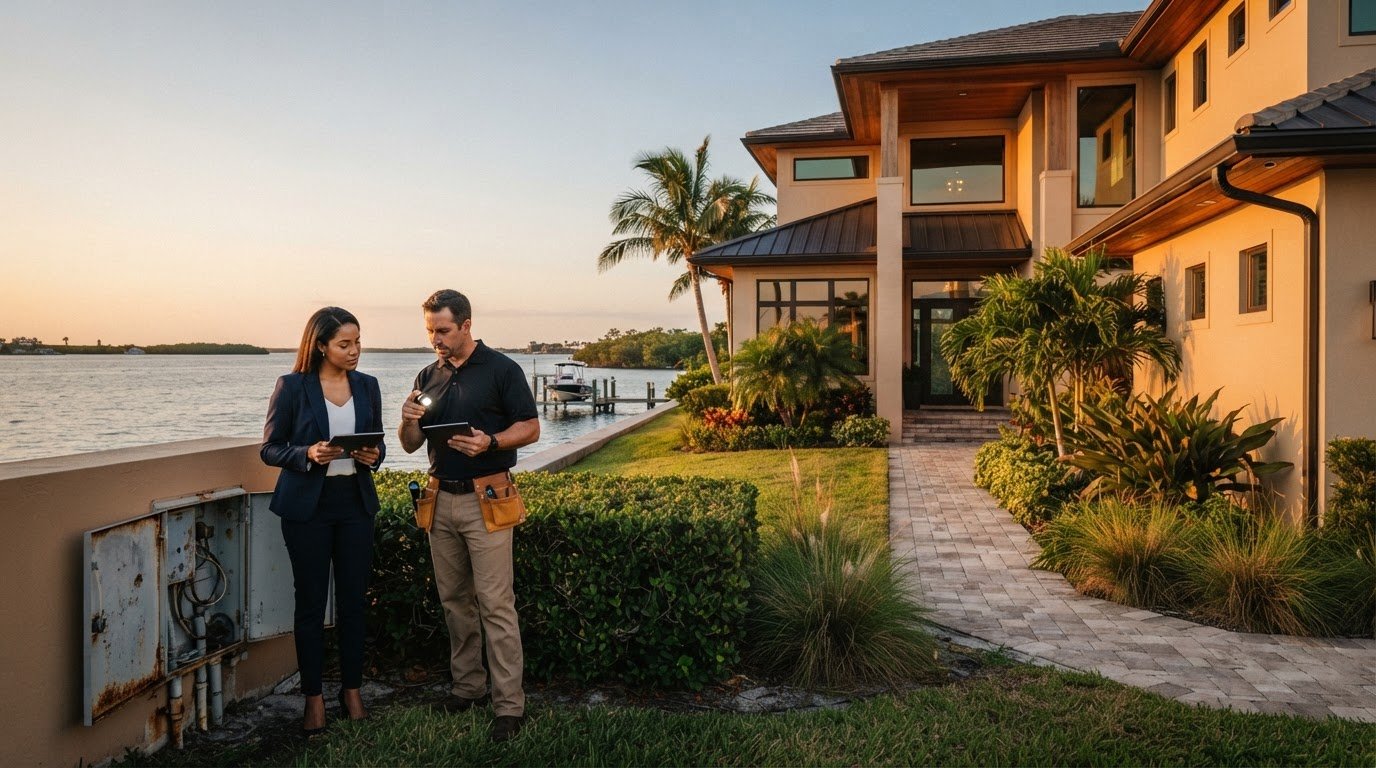
A pre-listing inspection can identify issues before a buyer’s inspection shapes negotiations. It can review the roof, foundation, electrical, plumbing, HVAC, water heater, windows, insulation, and structural integrity, giving you a documented starting point for repair planning and your listing timeline.
Which electrical, plumbing, HVAC, and safety issues should be fixed before listing?
Fix defects that stop systems from working or create an immediate safety concern. Test light switches, outlets, faucets, toilets, and thermostats; note flickering lights, recurring breaker trips, slow drains, or water beneath sinks. Confirm smoke alarms work and handrails feel secure. Correct functional hazards first, then keep dated invoices or service records to show what work you completed.
Is it better to make cosmetic updates or sell a Sarasota home as-is?
Choose cosmetic updates when limited improvements can make the home easier to present, but consider selling as-is when extensive work would take time or resources without fitting your plans. An as-is sale means selling the property in its current condition without repairs or upgrades. Disclose known flaws, and weigh the home’s condition, likely buyer interest, and your preferred timeline before choosing.
What home inspection issues commonly affect Sarasota real estate sales?
Issues that suggest ongoing damage or costly uncertainty can complicate a sale. Inspectors may flag recurring ceiling stains, damp cabinet bases, soft spots, roof leaks, foundation movement, or electrical concerns. In Sarasota, note moisture or storm-related damage and gather records of previous repairs. Clear documentation helps buyers understand whether a visible mark reflects an old, resolved issue or a current concern.
Should sellers get a pre-listing inspection or contractor estimates before making repairs?
Start with an inspection when you need a broad picture of the home, then get estimates for specific repairs identified in its findings. An inspection helps distinguish isolated defects from concerns that may need further attention; estimates help define the work and its scope. For example, investigate a water stain before repainting so cosmetic work doesn’t conceal a continuing problem.